Sponsored article
The Role of Gothic Chasuble in Different Liturgical Periods: What Colors to Choose?
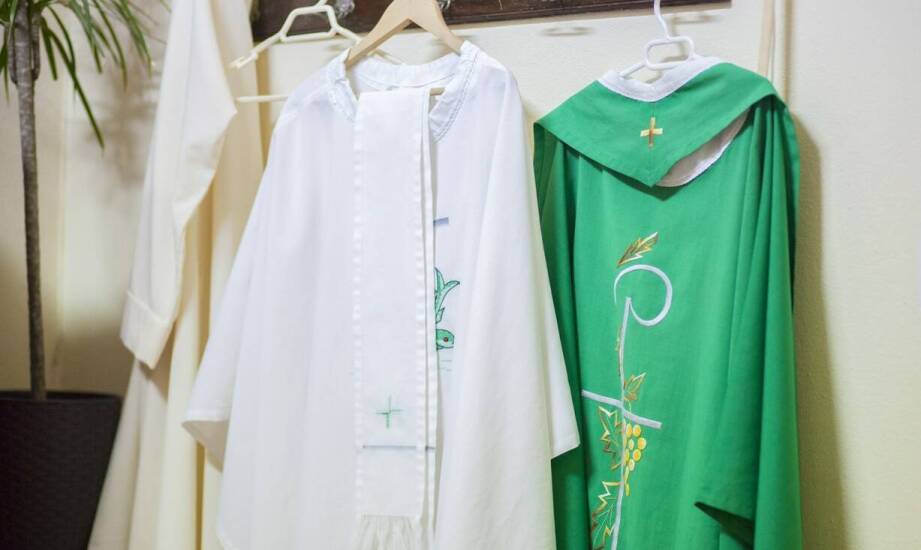
The Church's liturgy is based on a precise order of signs, where the color of the vestments is not an addition, but a carrier of theological and ritual meanings. The chasuble, being the most visible garment of the celebrant, organizes the message of the celebration faster than words and stronger than gestures. A properly chosen color at a specific time of the liturgical year builds the coherence of the rite, enhances its character, and guides the faithful through the rhythm of feasts, periods of penance, and the Church's daily life. The Gothic form is particularly significant, as its construction fully exposes the symbolism of colors, making it visible even from a distance.
The Importance of Gothic Chasubles in the Liturgical Year
Chasuble gothique serves as a sign in the liturgy with a clear and organized theological message, resulting from their form, color, and place in the celebration. The wide, vertical cut characteristic of this type of vestment allows the full exposure of the liturgical color, which is the primary carrier of the meaning of the Church period. In pastoral practice, the Gothic chasuble is not a decorative element but a tool that organizes the rhythm of the liturgical year, supporting the continuity of symbolism between subsequent periods. The use of specific colors maintains the coherence of the doctrinal message, emphasizes the character of the celebration, and strengthens the sacred dimension of the church space.
Liturgical Colors in Ars Sacra’s Offer as an Expression of Faithfulness to Tradition
The offer prepared by Ars Sacra is based on strict adherence to the applicable liturgical norms and the centuries-old tradition of the Church. The selection of colors in Gothic chasubles remains in accordance with the liturgical calendar and its symbolism: white emphasizes the joy and light of the Lord’s feasts, red expresses sacrifice, martyrdom, and the action of the Holy Spirit, violet introduces a tone of penance and concentration, while green stabilizes the rhythm of the celebration in Ordinary Time. Such a consistent assignment of colors makes the chasuble a clear liturgical message, understandable to both the celebrant and the community of the faithful.
The Impact of Conscious Chasuble Color Selection on Liturgy Reception
The choice of the Gothic chasuble color directly affects the perception of the celebration and the atmosphere of prayer, building a coherent visual and symbolic message. Color acts immediately and intuitively, organizing the emotions and attitudes of the faithful towards the experienced mystery. Maintaining color consistency with the liturgical period enhances the sense of order, continuity, and sacredness while elevating the ceremony's significance. In this perspective, the Gothic chasuble becomes a structural element of the liturgy, supporting concentration, deepening spiritual experience, and harmoniously blending the Church's tradition with its contemporary celebratory practice.
The Role of Gothic Chasuble Colors in the Rhythm of the Liturgical Year
The liturgical year forms a coherent sequence of signs, in which the Gothic chasuble serves as a clear guide through the successive stages of the celebration. White opens and closes the most important mysteries of faith during the seasons of Christmas and Easter; violet leads the community into the time of preparation and penance of Advent and Lent; red highlights events related to the Passion of the Lord, the Holy Spirit, and martyrdom; and green stabilizes the rhythm of daily liturgy in Ordinary Time. In this chronology, color is not a decorative element, but a coherent theological sign that organizes the celebration's message and strengthens its reception within the sacred space.
You might be interested

Unique patterns on ceramic mugs - art that inspires